Thursday, 23 October 2014

Medical Tourism - The Next Big Thing

Medical tourism in very simple terms implies the movement of people from one country to another in search of better medical care.
The trips are well planned and a lot of research goes into the whole exercise. They are a combination of surgical care, combined with touring, a small vacation and sightseeing too. It is a silent but powerful revolution that has been sweeping the medical corridors for over a decade now. The countries that have directly benefited from it are India, Greece, Mexico, Israel, Hungary to name a few. The global medical tourism market is anticipated to be around US$60-billion. Lets read some more about this global phenomenon.
1. Sound Marketing Skill
In the last few years after the big bang settled down, nations that lost out on the cake have realized that marketing is the key to success. Hospitals and institutions that have expected patients to reach them and not the other way round are making changes in their approaches. Countries that are marketing themselves as safe medical havens are cashing in on the business and making heavy profits.  The reason that plastic surgeons, dentist and cosmetic surgeons do so well, is much clearer now.

Medical Tourism
2. Similar Cultures
Over the last decade or so, the ground root problems have become very clear. People travelling to strange countries faced language barriers, dealt with cultural differences and came back utterly dissatisfied. The present day customers are travelling to countries where they know the culture, will get familiar food and probably similar religious backgrounds too. They are now expecting the nurse to speak their language and the doctors to treat them with respect.
3. Global Awareness
The present day customer is comparing the rates of  travel medical assistance companies, doing their homework and only then deciding to move out of the country. The way this industry is heading, it only stands to benefit all associated with it.

Tuesday, 21 October 2014

A Complete Guide to Using Portable Oxygen Concentrators

POC’s or portable oxygen concentrators have tanks with compressed oxygen inside them.
POC’s irrespective of whether portable or stationery are capable of taking the air from the room and converting it into a concentrated form of oxygen. The air we inhale has 21% oxygen and the rest is mostly nitrogen. Most POC’s come with their carry-away cases and travel carts. They can be easily used while travelling or when you are outdoors. Let’s read a small guide on POC’s.
1. POC’s Run On Batteries
All portable oxygen concentrators run on batteries. In some, the batteries have a run time of 5 hours in some less. They come with their AC/DC adapters and can be charged easily when near an electrical outlet.
2. Ask For a Demand Valve
Patients should ask their travel medical assistance supplier to attach a demand valve to the POC. This will increase the time of usage of the POC. At all times, the patient should keep the details of the medical transport company handy in case there’s a problem.

Portable Oxygen Concentrators
3. The Continuous Flow POC
There are four types of POC’s with continuous flow available in the market. They are able to produce up to 3 liters per minute of oxygen, continuously.
4. The Pulse Dose POC
These machines do not deliver a continuous flow of oxygen. The oxygen is supplied in pulses, as and when the patient breathes. Most machines are able to deliver 450 ml to 1,250 ml oxygen per minute.
5. Choose the Correct POC
The selection of the right POC will depend on the daily routine and lifestyle of the patient. His activities including the sleep and rest patterns will have to be observed closely. Patients can also go for a combination of pulse POC when at home and continuous POC when out.

Saturday, 18 October 2014

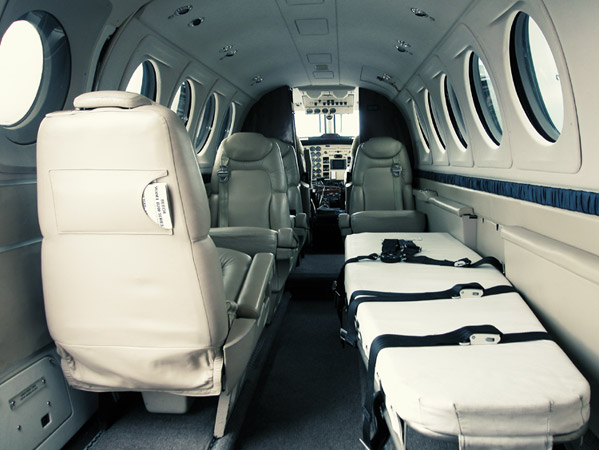
Steps That Will Help You To Determine The Cost Of Air Ambulance

Hiring an air ambulance is a very costly affair. Selecting whether you need a helicopter or an aircraft is the easy part. Whether you will be able to bear the fees is the tricky part.
The fees of an air ambulance can range from $12000 to $25000 depending on the service provider and the distance that is being covered. As obvious emergency air transport is called for in an extreme medical emergency where transporting the patient to a medical facility becomes a matter of his life and death. Keep the following points in mind when selecting a transport company for an air ambulance.
1. Look For A Local Company
Hiring a local company makes more sense than asking for an out of state provider to offer their services. Their costs will be lower and the team will be well versed with the area.
2. Go Through The Services Carefully
Depending on the medical care that the patient needs, the transport company should be chosen. If the patient needs specialized treatment, choose a company that has a tie up with such a medical facility. Ensure that their staff is well experienced and they have the latest equipment on board.

Air Ambulance
3. Examine The Quote Carefully
When the company offers quotation, ensure that it is n written. It should be all inclusive and there should be no hidden costs.
4. Be Very Clear About The Health Cover
There are certain policies that only cover a certain percentage of air transportation costs and other do not cover them at all. Ensure that the health cover is equipped to cover the cost of hiring in air ambulance, or else be ready for a lifetime of debts.

Wednesday, 15 October 2014

Ebola Virus and Its Preventions

Ebola is a deadly virus for which scientists are still trying desperately to find a cure.
Ebola is transmitted by coming in contact with the blood of an infected person. No records have been found of transmission through air. The carriers of this virus are believed to be fruit bats, but the virus does not affect them at all. Humans get infected when they come in direct contact with bats or dead animals infected by them. Take the following precautions in order to protect yourself from the virus.
1. Avoid Travel To Infected Areas
Avoid travelling to Africa unless it is a matter of life and death. Check the advisories issued by various countries regarding travel in Ebola infected regions.
2. Take Care of Hygiene
If you happen to be in the infected region, be particular about washing your hands frequently. This is the strongest preventive measure that you can take in order to protect yourself from the infection. A simple soap and water or any rub that has alcohol in it can be used.

Ebola
3. Abstain From Bush Meat
When in a developing country, avoid eating and buying wild animals altogether. Even non human primates should not be eaten or procured. Avoid produce from the local markets.
4. Avoid Direct Contact With an Infected Person
Caregivers and other medical professionals should avoid direct contact with the body tissues and fluids of an infected person. Especially avoid touching semen, blood and vaginal secretions and saliva. As the disease progresses, it becomes more and more infectious.
5. Be Particular About Infection Control Processes
All health care personnel should wear the protective gear at all times. Things like gloves, masks, eye shields should be worn at all times. The people who are infected should be kept in isolation. The safe disposal of medical equipments is equally important to ensure that the infection does not spread.